Most players approach Omaha the same way they approach Hold’em, then wonder why their stack bleeds out by the river. The format punishes loose pre-flop discipline and rewards players who read texture well. On the train to the Gold Coast or squeezing a sit-and-go over your lunch break, the questions stay the same: which client, which stakes, which starting hands, and which lines actually work on a phone.
This guide treats each of those as a real decision, with mobile-specific advice.
Does the Mobile Client Actually Keep Up With the Cards?

The first decision every Omaha player makes is which screen to play on, and that choice shapes every strategic call after it. If you want a client that’s been tuned from the ground up for portable screens rather than a desktop product stretched down, online-royalreels.com has clearly built for that use case first, with browser-based play that loads in under three seconds on a normal 4G signal. Having watched vendors from TCS John Huxley push live-dealer rigs into venues from Macau to Broadbeach, and sat in on Crown strategy reviews where floor managers argued about chair height, I can tell you the room affects the read – and the same is true on a phone.
A native app used to be the only serious option; these days, browser-based clients render cards crisply, support landscape multi-tabling, and recover gracefully if you flick away to check a notification. Look for a few specifics: pinch-to-zoom that’s actually smooth, a bet slider that responds in sensible increments rather than awkward fractions, and a portrait mode that doesn’t cramp the action. For Australian players, AUD support, POLi or PayID top-ups, and withdrawals that clear in hours rather than business days keep your stack fluid.
Which Omaha Decisions Should the Phone Change?
Omaha punishes loose hands more harshly than Hold’em because four cards create near-miss holdings that bleed chips quietly. Here are three decision points where mobile play should sharpen your instincts.
Pre-Flop Selection: Tighten Up, Even From the Cut-Off
A common trap on phone screens is auto-piloting through pre-flop because the fold button sits under your thumb. Don’t. Hands that look connected often have hidden gaps that destroy their nut potential. A reasonable mobile range is 12-15% from the button, around 8% from middle, and 5% from early. A-A-K-K double-suited is the gold standard; weak offsuit aces that promise a lot and deliver little should still be folded. Pre-set common bet sizes so you’re not fumbling through menus with a hand to act.
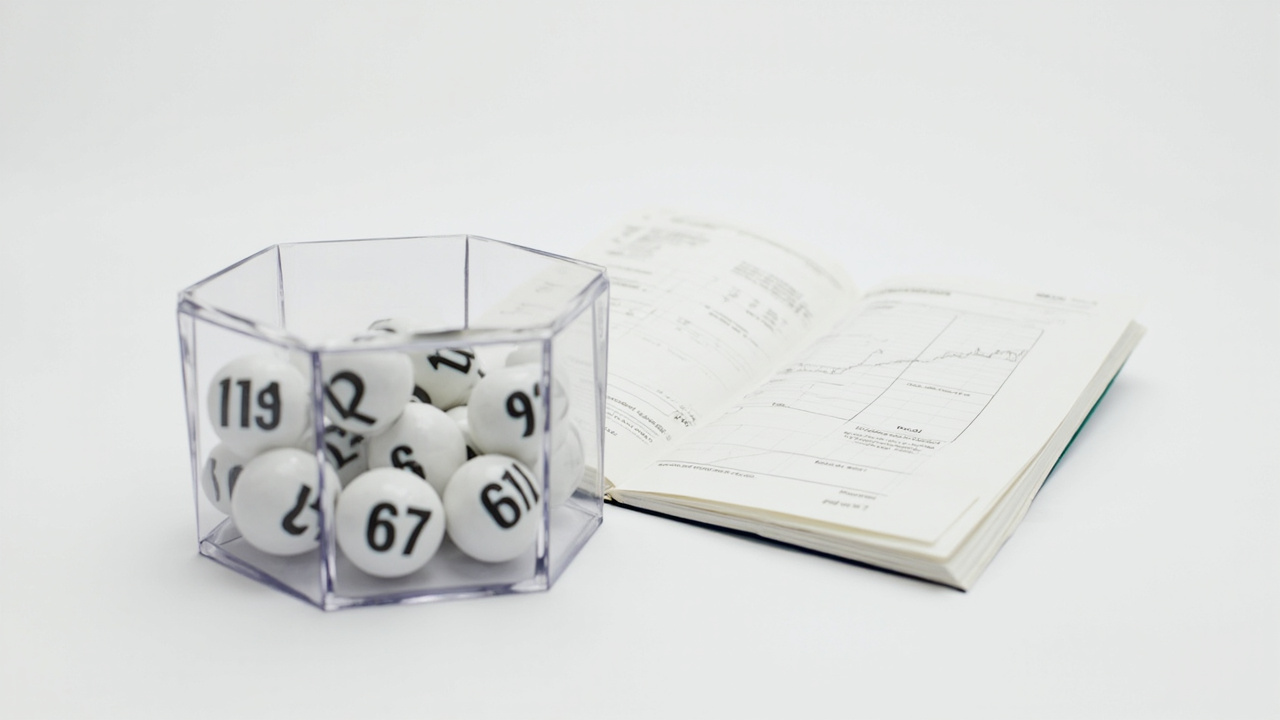
Hand Reading on Five Inches of Glass (A Beginner’s Walkthrough)
If you’re new to Omaha, here’s a four-step read, mate. Step one: identify your made hand strength – pair, two pair, set, or a flush draw. Step two: count your redraws and ask if your hand can improve to the nuts. Step three: when the flop lands, is your best hand the nuts? If not, you’re renting the pot. Step four: on the turn, reassess pot odds. Better than 4-to-1 spinagocasinoaustralia.org on a one-card flush draw usually holds; closer to 3-to-1 is a bleed.
Henry Stewart, Sports Betting Analyst at Swan River Interactive, on phone play: “Screen real estate shrinks your read time, so pre-flop hand selection matters more than ever – the same cost as a real table, but less time to notice it.”
Pot Control When the Bet Slider Feels Too Easy
The biggest leak in mobile Omaha is over-betting the turn. Touch screens make it frictionless to fire a half-pot bet the moment your hand improves, but that pace robs you of information. Slow down when your hand is medium-strength and the board is draw-heavy. Top pair without a strong kicker on a coordinated flop? Default to a smaller sizing or check, and let your opponent bluff into you. From a Bally Macau opening I worked on years ago, the venue skipped the number 4 on its floor and room signage because many Chinese guests consider it unlucky. Same logic applies to your “lucky” suited ace – it’s folklore, not strategy. Let the maths lead.
Keep this quick reference handy when the screen is small and the clock is short. You’ll defo tighten your bottom line within a session or two.
| Hand Tier | Early Position | Middle Position | Late Position |
|---|---|---|---|
| Premium (double-suited, high connectors) | Raise | Raise | Raise |
| Strong (one suit, two broadways) | Fold | Call | Raise |
| Speculative (suited gappers) | Fold | Fold | Call or steal |
| Trash (offsuit, unconnected) | Fold | Fold | Fold |
Is Mobile Omaha the Right Fit for Your Routine?
Not every player should be playing Omaha on a phone, and that’s a fair thing to admit. If your weekly gambling is a flutter on the pokies at your local club, you’ll defo find more value staying in that lane for now – community clubs, state governments and reform advocates are still hashing out where pokies sit in Australia’s gambling mix, and that conversation is reshaping the gaming floor more than any strategy book. Poker demands a different headspace: long sessions, deliberate reads, and a stake level where small leaks add up.
Mobile Omaha works best for players who already have a Hold’em base and a quiet hour to spend. If you’re busy as a rule and reckon you’ll multitask through hands, you’ll bleed faster than you realise. If you can commit a single tab on your phone, set a stop-loss, and treat the screen like a real table, the format will reward you. A good test: play ten hands with no commentary, no chat, no distractions, and see whether your pre-flop range matches the table I shared above. If it doesn’t, you’re not ready to bet real money on it yet.

The honest answer to “should I play Omaha on my phone?” is yes, but with a tighter pre-flop range, a deliberate read on every flop, and a mobile client that doesn’t make you fight the screen. Treat the four questions in this guide as your pre-session checklist, and you’ll avoid the usual traps. Whatever you choose, set a stop you can live with before you sit down.